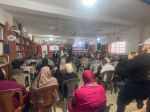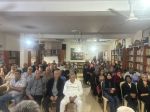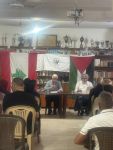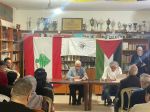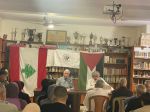
مركز الأطفال والفتوة يحي الذكرى الـ 78 للنكبة

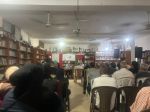
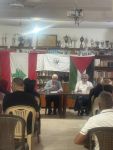
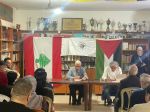
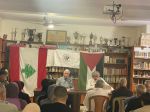
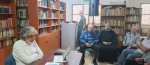
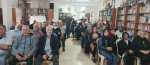
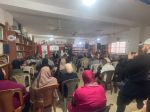
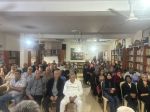
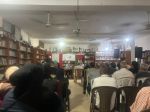
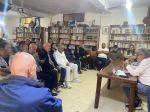
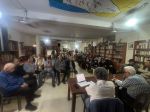
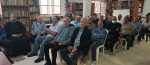
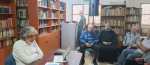
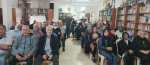
مركز الأطفال والفتوة يحي الذكرى الثامنة والسبعون باقامة ندوة حوارية، بعنوان:

مراجعة التجربة الكفاحية للشعب الفلسطيني في ظل تداعيات الأوضاع الراهنة

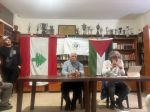
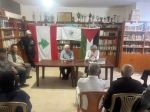
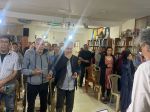
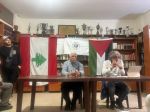
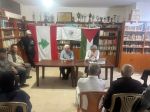
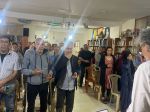
افتتح السيد أبو مجاهد مدير المركزالندوة بالوقوف دقيقة صمت على أرواح الشهداء، مرحبا بالحضور، فصائل ولجان وهيئات والضيوف وأهل المخيم الصامدين. ومرحبا بالمحاضرالأستاذ أياد عبدالعال منسق المؤتمر الشعبي الفلسطيني 14 مليون في لبنان.

ؤأشاد ابو مجاهد بالنضال والصمود الفلسطيني المستمر، مستذكرا المحطات الأساسية والرموز التي قادت واستشهدت منذ التصدي للهجرة الصهيونية والاستعمار البريطاني ووعد بلفور والنكبة واللجوء وظلم الجوار العربي نموذج لبنان. وصولا لطوفان الاقصى للعدوان على لبنان ووحدة محور المقاومة. منوها بمحطات الانتصار والتصدي الاستراتيجي للعدو بالثورات وانتفاضات ومعركة الكرامة ويوم الارض والانت. فاضتين والتصدي البطولي في غزة والضفة وصولا للطوفان المجيد. لافتا لحالة المخيمات والقصور في الخدمات للانروا وضعف ادارة المخيمات خصوصا التعليم والصحة والبيئة، والسلوكيات الخاظئة بلا رادع بصورة لا تليق بتضحيات المخيم، ولا تتناسب مع طموح وحلم الأجيال بمجتمع حر مستقل.

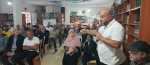
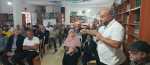
بدوره تحدث المحاضر الأستاذ أياد عبدالعال، عن النكبة، والسردية الفلسطينية التي تغيّر العالم

معتبرا ان النكبة الفلسطينية ليست حدثًا تاريخيًا انتهى في الخامس عشر من أيار عام 1948، او مجرد ذكرى نستحضرها كل عام عبر الصور والروايات والشهادات. النكبة بالنسبة للفلسطيني واقع يومي مستمر، يعيشه في المخيم، والمنافي. ان النكبة مشروعًا استعماريًا مستمرًا، تعود جذوره الى مؤتمر بازل في سويسرا، حين وضعت الحركة الصهيونية العالمية أسس إقامة كيان استيطاني في فلسطين يخدم المصالح الغربية ، أتى وعد بلفور ليمنح هذا المشروع غطاءً سياسيًا وقانونيًا من قوة استعمارية كبرى..

كانت فلسطين قبل النكبة وطنًا حيًا نابضًا بالحضارة والثقافة والاقتصاد، وليست “أرضًا بلا شعب” كما روّجت الدعاية الصهيونية. كانت مدن مثل القدس ويافا وحيفا مراكز ثقافية وتجارية مزدهرة قبل ارتكاب العصابات الصهيونية المجازر وعمليات التطهير العرقي، فدمرت مئات القرى الفلسطينية، وهجّرت قسريا أكثر من 750 ألف فلسطيني من أرضهم.

لم يتوقف الشعب الفلسطيني عن مقاومة الاحتلال والدفاع عن حقوقه الوطنية. وتنويع أدوات النضال الفلسطيني عبر العقود، من العمل الفدائي إلى الانتفاضات الشعبية، ومن المواجهة السياسية والدبلوماسية إلى النضال الثقافي والإعلامي. وفي المقابل، استمر الاحتلال في سياساته القائمة على الاستيطان وتهويد القدس والحصار والحروب، خصوصًا على قطاع غزة، إلى جانب استهداف الهوية الوطنية والرواية الفلسطينية. فالمعركة لم تعد فقط معركة أرض وحدود، بل أيضًا معركة رواية ووعي. فالاحتلال أدرك مبكرًا أهمية السيطرة على الإعلام وصناعة الصورة، وسعى إلى تقديم نفسه للعالم باعتباره “الضحية”، وتشويه صورة الفلسطيني.. في حين شهدت السنوات الأخيرة تحولًا مهمًا، حيث بدأت الرواية الفلسطينية تفرض حضورها عالميًا، مستفيدة من الإعلام الرقمي ووسائل التواصل الاجتماعي، ومن قدرة الفلسطينيين والمتضامنين معهم على نقل الحقيقة بالصوت والصورة.

شكّلت عملية “طوفان الأقصى” وحرب الإبادة الجماعية على قطاع غزة محطة مفصلية في هذا التحول. فرغم حجم الدمار والقتل والمجازر التي ارتكبها الاحتلال، فإن صور الأطفال تحت الأنقاض، والمستشفيات المدمرة، ومعاناة المدنيين، كشفت للعالم حقيقة ما يجري في فلسطين، وأسهمت في انهيار جزء كبير من السردية الصهيونية التقليدية. لقد خرجت الملايين في عواصم العالم دفاعًا عن فلسطين، وارتفعت الأصوات داخل الجامعات ووسائل الإعلام الغربية ضد الاحتلال وسياساته. وأثبت الرواية الفلسطينية انها تمتلك قوة هائلة عندما تُقدَّم بصدق ومهنية، وتصل إلى شعوب العالم بلغاتهم وبأدوات العصرالحديثة. فالمعركة اليوم لم تعد تقتصرعلى ساحات المواجهة العسكرية، بل أصبحت معركة وعي عالمي، وتشكيل الرأي العام الدولي، وعلى كشف حقيقة الاستعمار والاستيطان والفصل العنصري الذي يمارسه الاحتلال، و يقع على عاتق الشباب الفلسطيني دور أساسي في حماية الهوية الوطنية وتحويل الوعي إلى فعل منظم ومستدام. وقادرعلى الوصول إلى العالم بشكل مباشر، بعيدًا عن احتكار المؤسسات الإعلامية التقليدية. ومن خلال المعرفة والتنظيم والعمل الجماعي لتحويل التعاطف العالمي مع فلسطين إلى قوة ضغط سياسية وثقافية وإنسانية حقيقية.

ختامًا، تبقى النكبة مستمرة ما دام الاحتلال قائمًا، لكن الثابت أيضًا أن الشعب الفلسطيني ما زال متمسكًا بحقوقه الوطنية والتاريخية، وفي مقدمتها حق العودة والحرية والاستقلال.

CYC commemorated the 78th anniversary of the Nakba

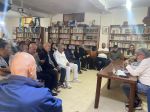
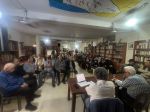
The Children &Youth Center-CYC commemorated the 78th anniversary of the Nakba by holding a dialogue seminar: Reviewing the Struggle Experience of the Palestinian People in Light of the Current Conditions.

Mr. Abu Moujahed, the CYC director, opened the seminar with a minute of silence in memory of the martyrs, then welcomed the attendees, including representatives of various political factions & committees, NGO’s, guests, and the steadfast people of the Shatila camp. He also welcomed the speaker, engineer, Mr. Iyad Abdul-Aal, the coordinator of ‘14 Million Palestinian Popular Conference in Lebanon”.

Abu Moujahed praised the ongoing Palestinian struggle and resilience, recalling key milestones and the leading figures who led and were martyred during confronting Zionist immigration and British colonialism, the Balfour Declaration, the Nakba, the refugee crisis, and the injustices of neighboring Arab states, exemplified by the Lebanese government. He addressed the Toofan Al-Aqsa, the aggression against Gaza and Lebanon, and the unity of the resistance axis. He highlighted the victories and strategic confrontation against the Israelis occupiers through revolutions, intifadas, like the Battle of Karameh, Land Day, the Two Intifadas, and the heroic resistance of Gaza and West Bank, culminating in the glorious uprising. He pointed to the dire conditions in the camps, the shortage of UNRWA services, and the weak camp management, particularly in education, health, and the environment. He also highlighted the unchecked misconduct, which he deemed unworthy of the sacrifices made in the camps and incompatible with the aspirations and dreams of generations for a free and independent society.

Mr. Iyad Abdel-Aal spoke about the Nakba and the Palestinian narrative that has changed the world. He asserted that the Palestinian Nakba is not merely a historical event that ended on May 15, 1948, or simply a memory we recall each year through images, stories, and testimonies. For the Palestinians, the Nakba is an ongoing daily reality, lived in the camps and in exile. Mr. Al Aal described it as an ongoing colonial project, its roots tracing back to the Basel Conference in Switzerland 1897, where the Zionist movement laid the foundations for establishing a settler entity in Palestine to serve Western interests. Then UK Government (Balfour declaration) provided this project with political and legal cover from a major colonial power.

Before the Nakba, Palestine was a vibrant homeland, pulsating with civilization, culture, and a thriving economy, not a “land without a people” as Zionist propaganda had propagated. Cities like Jerusalem, Jaffa, and Haifa were thriving cultural and commercial centers before Zionist militias perpetrated massacres and ethnic cleansing, destroying hundreds of Palestinian villages and forcibly displacing more than 750,000 Palestinians from their land.

The Palestinian people have never ceased resisting the occupation and defending their national rights. Over decades, they have diversified their methods of struggle, from armed resistance to popular uprisings, and from political and diplomatic confrontation to cultural and media activism. In response, the occupation has persisted in its policies of settlement expansion, the Judaization of Jerusalem, the blockade, and wars, particularly against the Gaza Strip, while simultaneously targeting Palestinian national identity and narrative. The battle is no longer solely about land and borders, but also about narrative and awareness. The occupation recognized early on the importance of controlling the media and shaping public perception, striving to present itself to the world as the “victim” and distorting the image of the Palestinian people. However, recent years have witnessed a significant shift, with the Palestinian narrative beginning to assert its global presence, leveraging digital media and social media platforms, and capitalizing on the ability of Palestinians and their supporters to convey the truth through audio and video. The “Al-Aqsa Flood” operation and the genocidal war on Gaza marked a pivotal moment in this transformation. Despite the scale of destruction, killing, and massacres perpetrated by the occupation, images of children under the rubble, destroyed hospitals, and the suffering of civilians, revealed to the world the reality of what is happening in Palestine and contributed to the collapse of a significant portion of the traditional Zionist narrative. Millions took to the streets in capitals around the world in defense of Palestine, and voices rose within Western universities and media outlets against the occupation and its policies. The Palestinian narrative proved its immense power when presented truthfully and professionally, reaching the world’s peoples in their own languages ​​and using modern tools. The battle today is no longer confined to military confrontations, it has become a battle for global awareness, for shaping international public opinion, and for exposing the reality of colonialism, settlement, and apartheid practiced by the occupation.

Palestinian youths bear a fundamental responsibility in protecting national identity and transforming awareness into organized and sustained action, capable of reaching the world directly, bypassing the monopoly of traditional media institutions. Through knowledge, organization, and collective action, these youths can transform global sympathy for Palestine into a genuine political, cultural, and humanitarian force. In conclusion, the Nakba will continue as long as the occupation persists, but it is also certain that the Palestinian people remain committed to their national and historical rights, which the foremost are the right of return to their homeland, freedom and independence.

Space for the children and youth of Shatila and Nahr el-Bared camp